When Should Pets Get an Endoscopy? Vets Warn: Don’t Ignore These Signs
- Share
- Issue Time
- Jan 21,2026
Summary
Many pet owners believe that endoscopy is “too expensive” or “unnecessary” during routine checkups.

Many pet owners believe that endoscopy is “too expensive” or “unnecessary” during routine checkups. But once you do the math, the truth becomes clear: an endoscopic examination usually costs only a few hundred to just over a thousand, while delaying treatment until open abdominal surgery can mean triple the cost, plus a week-long hospital stay and a much longer recovery period.
Early screening is not “wasting money.” It is using the smallest possible cost to gain more precious years together with your beloved companion.
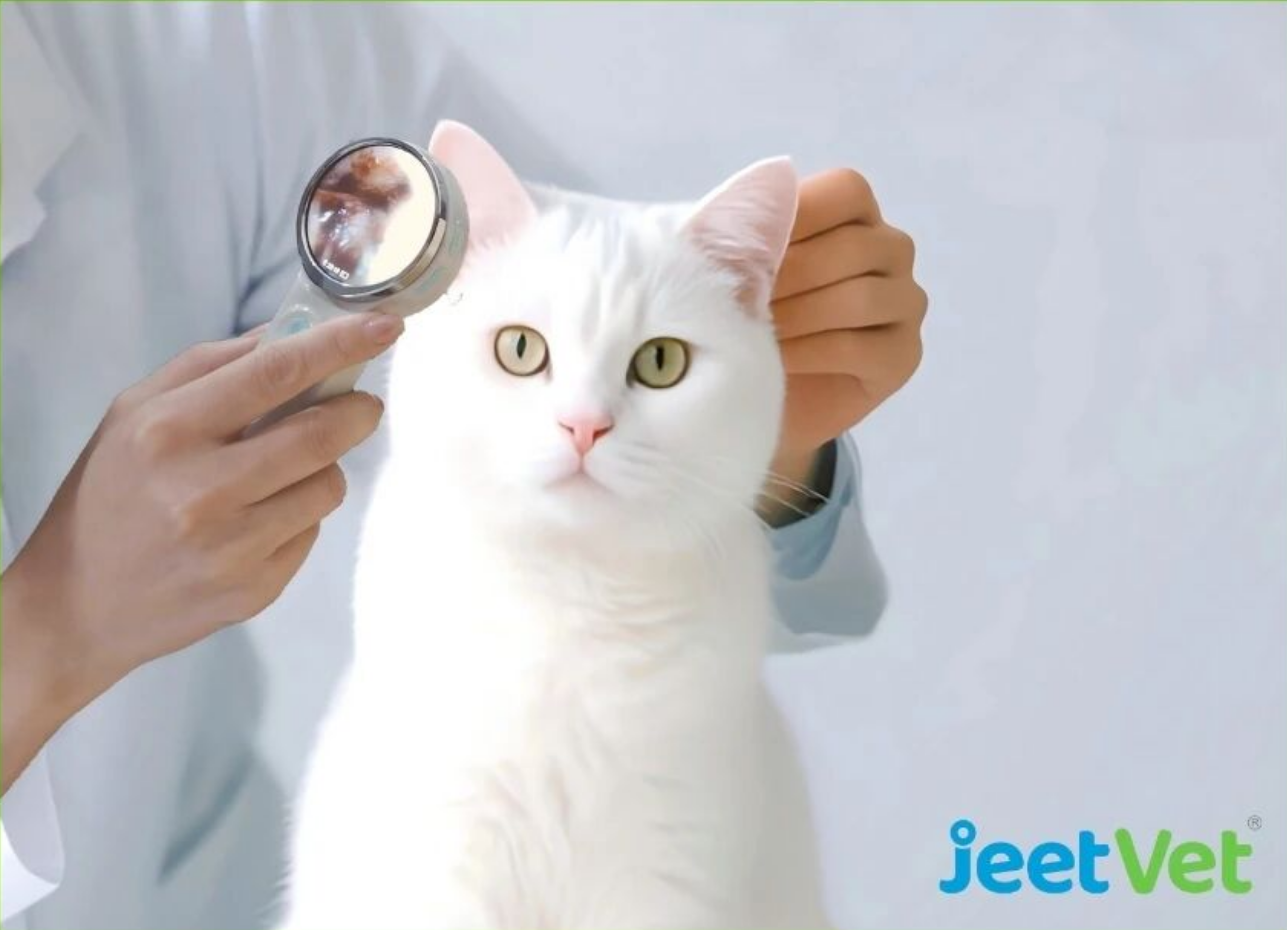
If your pet loves chewing on toys, or is getting older and occasionally has loose stools or poor appetite, these “everyday” issues may actually hide gastrointestinal risks. Veterinary endoscopy is the “X-ray vision” that helps defuse these dangers early.
Puppies and Kittens: Curiosity Can Be Dangerous
Young animals put everything into their mouths—rubber balls, plush toys, plastic parts, and more. There was once a cat that swallowed a sewing needle. At first, it was mistaken for gastritis and treated with probiotics, but the vomiting only worsened. The veterinarian later explained that if treatment had been delayed by just two more days, the needle would have pierced the intestinal wall, making surgical intervention unavoidable.
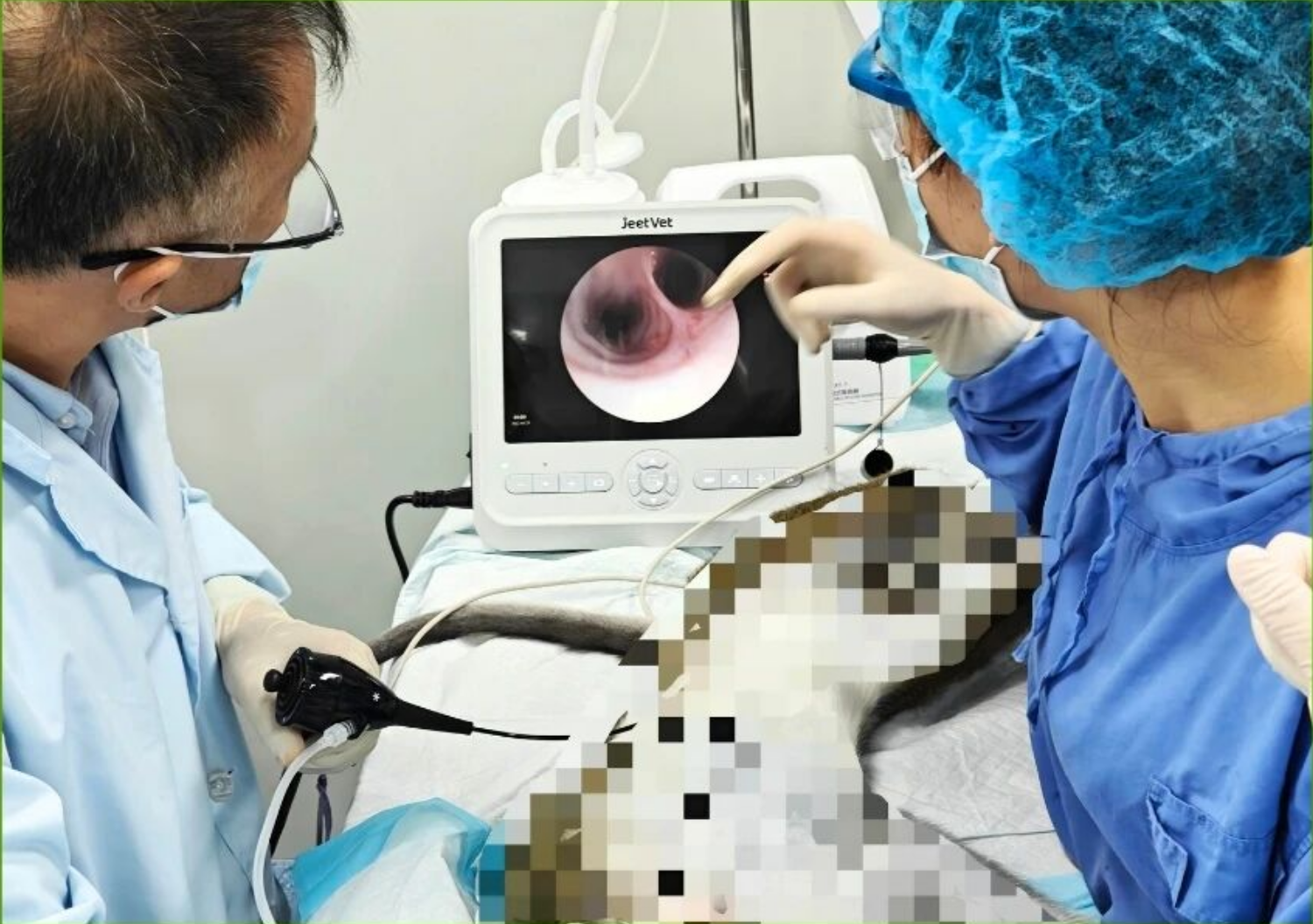
The key advantage of endoscopy is that foreign objects can be removed without surgery, often in just 10 minutes. Waiting until the object perforates the gastrointestinal tract not only multiplies the cost, but also causes far greater suffering for the pet.
Senior Pets: Organ Degeneration Is Not Something They Should “Just Endure”
For cats and dogs over seven years old, the mucosa of the stomach and esophagus becomes thinner, increasing the risk of ulcers, polyps, and even early-stage tumors. A 12-year-old Golden Retriever once showed a preference for thin porridge over dry food. The owner assumed it was simply “picky eating due to age,” but endoscopic diagnosis revealed a small esophageal tumor blocking nearly half of the passage.
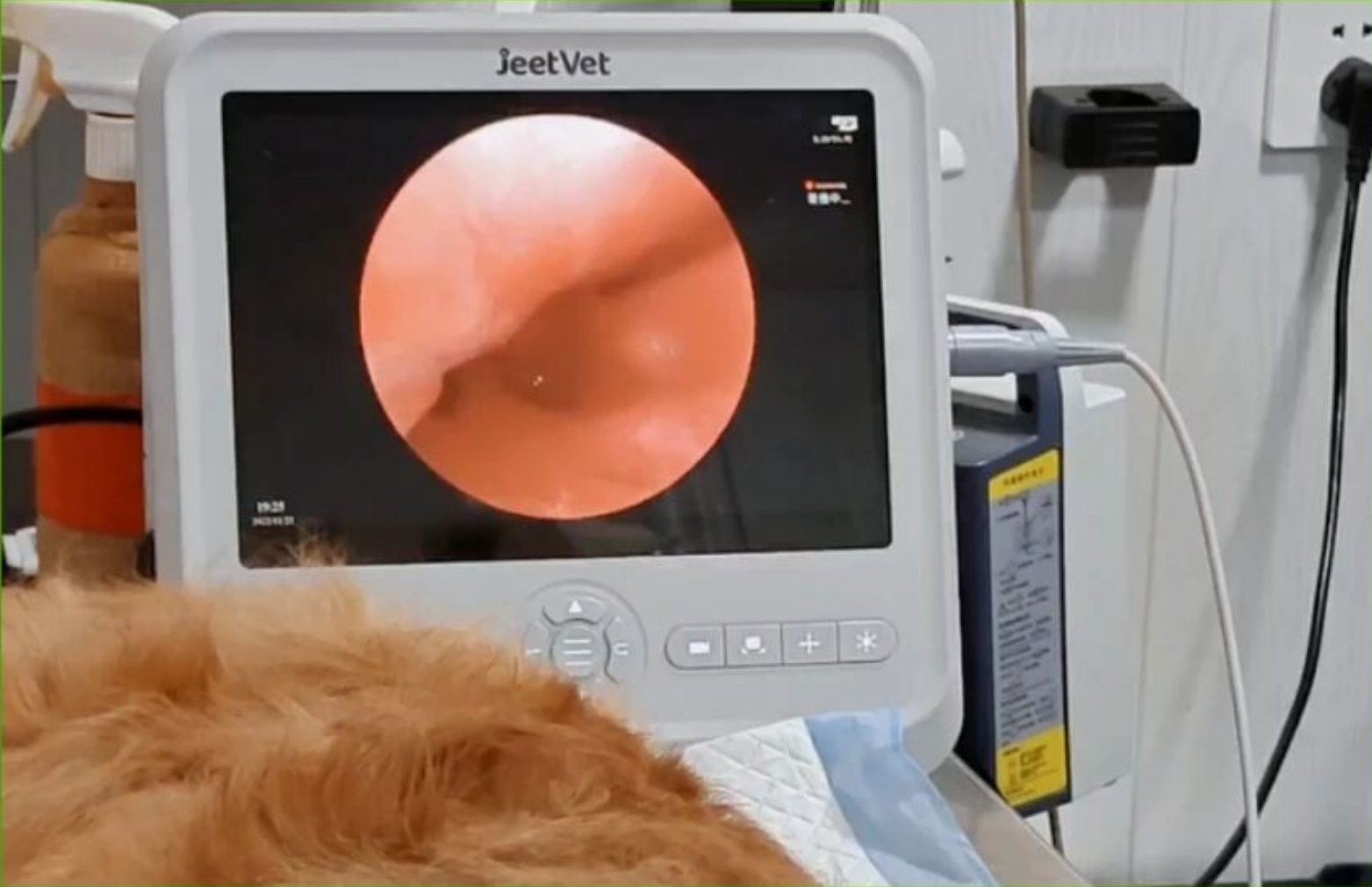
Because it was detected early, the tumor was removed via minimally invasive endoscopy. Many so-called “old age problems” are actually organ warning signals. Screening just one step earlier can stop disease progression before it worsens.
Chronic Loose Stools or Vomiting: Don’t Treat “Repetition” as “Normal”
Recurrent loose stools or vomiting should not always be attributed to diet changes or a sensitive stomach. One Ragdoll cat had loose stools with blood for over six months. Endoscopic examination later revealed intestinal ulcers caused by a small piece of plastic foreign body that never passed and continuously damaged the intestinal wall.
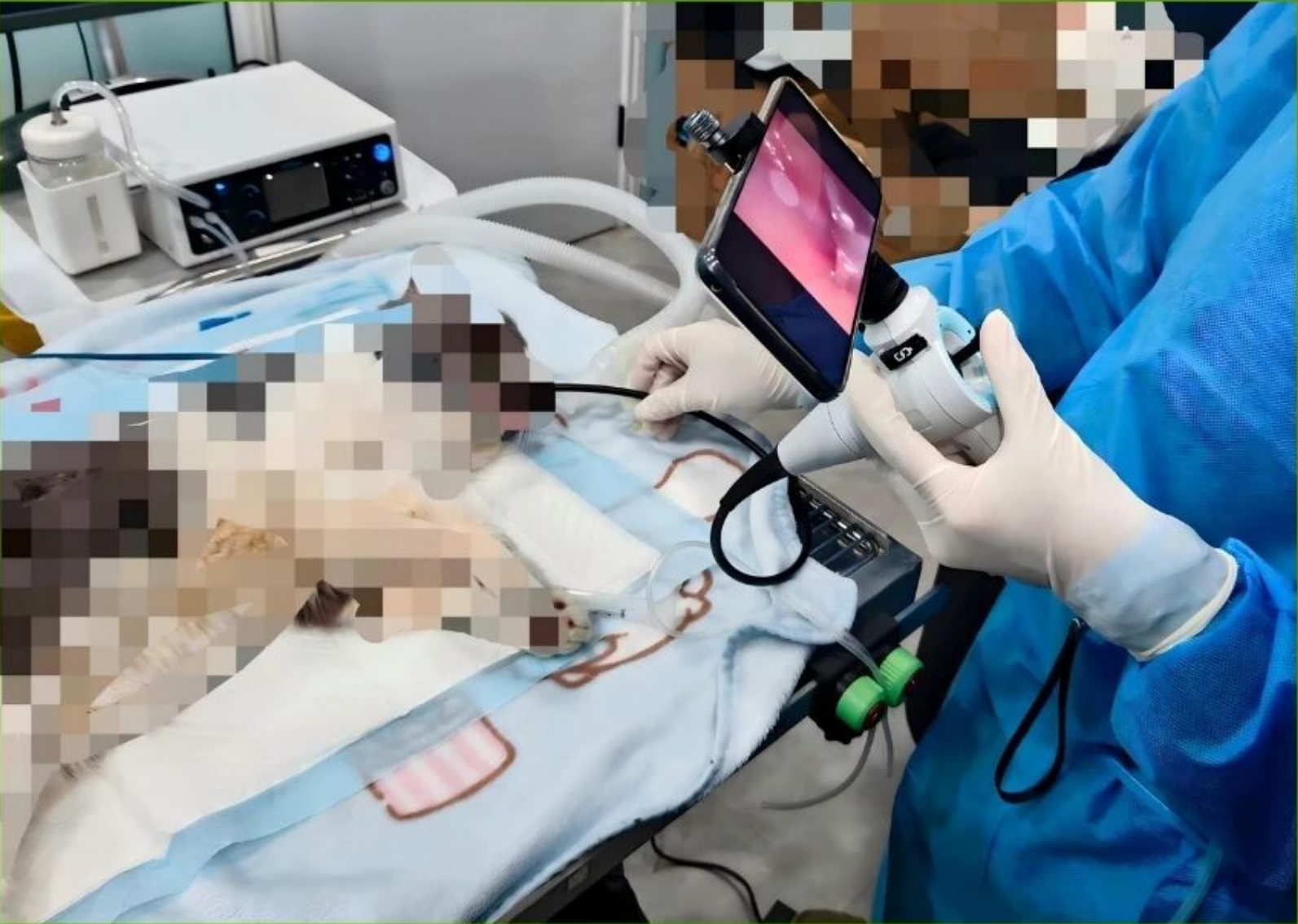
Repeated mild symptoms are gastrointestinal alarm signals. Early diagnosis reduces unnecessary medication trials and prevents avoidable expenses.
Family History of Tumors: Genetic Risks Require Close Monitoring
If a pet’s parents or siblings have had gastrointestinal tumors, the risk of similar diseases can be three to five times higher. A German Shepherd with a family history underwent regular checkups, and an endoscopic screening detected early-stage intestinal polyps. Doctors noted that a delay of six months could have led to cancer development.
Pets with a family history are not destined to become ill, but they should be treated as high-risk patients. Veterinary endoscopy can identify microscopic lesions invisible to the naked eye, stopping tumors at their earliest stage.
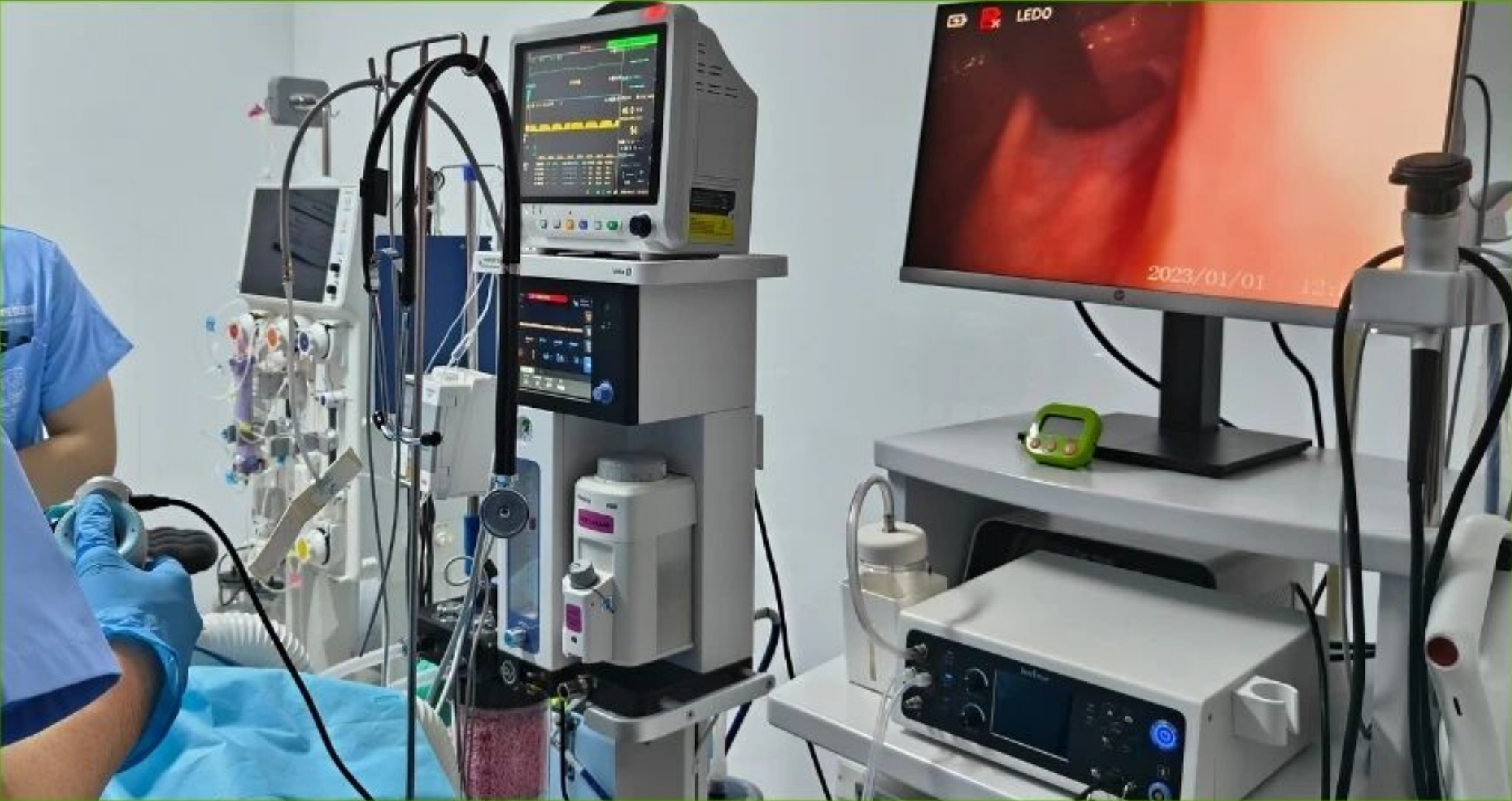
If your pet belongs to any of these four high-risk categories, consider consulting a trusted veterinary hospital. A preventive “X-ray vision” is always more reassuring than late-stage treatment.